Essential Metallurgical Tools for Process Optimization

Metallurgy is a critical field that plays a significant role in various industries, from aerospace to automotive. The optimization of metallurgical processes is essential for improving product quality, reducing costs, and enhancing efficiency. To achieve these goals, professionals in the field rely on a variety of specialized tools. In this blog post, we will explore the essential metallurgical tools that can help optimize processes, improve outcomes, and ensure the highest standards in metal production and treatment.

Understanding Metallurgical Tools
Metallurgical tools are instruments and equipment used to analyze, test, and manipulate metals and alloys. These tools are crucial for ensuring that materials meet specific standards and perform as expected in their applications. The right tools can help metallurgists identify defects, assess material properties, and optimize production processes.
Key Categories of Metallurgical Tools
Analytical Instruments
These tools are used for chemical analysis and characterization of materials. They help determine the composition and properties of metals and alloys.
Examples include spectrometers, X-ray diffraction (XRD) systems, and scanning electron microscopes (SEM).
Testing Equipment
Testing equipment is essential for evaluating the mechanical properties of metals, such as strength, hardness, and ductility.
Common tools include tensile testing machines, hardness testers, and impact testers.
Metallographic Equipment
Metallography involves the study of the microstructure of metals. Metallographic tools are used to prepare and analyze samples.
This category includes cutting machines, polishing equipment, and microscopes.
Heat Treatment Tools
Heat treatment is a vital process in metallurgy that alters the physical and sometimes chemical properties of a material. Tools in this category help control temperature and atmosphere during treatment.
Examples include furnaces, quenching tanks, and temperature controllers.
Fabrication Tools
These tools are used to shape and form metals into desired configurations. They are essential for manufacturing processes.
Common fabrication tools include welding machines, CNC machines, and forging hammers.
Analytical Instruments
Analytical instruments are at the forefront of metallurgical optimization. They provide critical data that informs decisions throughout the production process.
Spectrometers
Spectrometers are used to analyze the elemental composition of metals. They work by measuring the intensity of light emitted or absorbed by a sample. This information helps metallurgists ensure that materials meet specifications and identify any impurities.
Example: Optical Emission Spectroscopy (OES) is commonly used in the steel industry to analyze the composition of steel samples quickly and accurately.
X-ray Diffraction (XRD)
XRD is a powerful technique for determining the crystalline structure of materials. It provides insights into phase identification and can reveal stress and strain in metals.
Example: XRD can be used to assess the phase composition of titanium alloys, which is crucial for aerospace applications.
Scanning Electron Microscopes (SEM)
SEM allows for high-resolution imaging of metal surfaces and microstructures. It provides detailed information about grain size, morphology, and surface defects.
Example: SEM is often used to investigate fracture surfaces in metals to understand failure mechanisms.
Testing Equipment
Testing equipment is essential for evaluating the mechanical properties of metals. Understanding these properties is crucial for ensuring that materials perform as expected in their applications.
Tensile Testing Machines
Tensile testing machines measure the strength and ductility of materials by applying a controlled tensile load until the sample fails. This data is critical for material selection and quality control.
Example: A tensile test can determine the yield strength of aluminum alloys used in aircraft components.
Hardness Testers
Hardness testers evaluate a material's resistance to deformation. Different methods, such as Rockwell, Brinell, and Vickers hardness tests, provide valuable information about material properties.
Example: Hardness testing is vital for ensuring that steel used in construction meets safety standards.
Impact Testers
Impact testers assess a material's toughness by measuring its ability to absorb energy during fracture. This is particularly important for materials used in high-stress applications.
Example: Charpy impact tests are commonly performed on metals used in pipelines to ensure they can withstand sudden impacts.
Metallographic Equipment
Metallography is the study of the microstructure of metals, and metallographic equipment is essential for preparing and analyzing samples.
Cutting Machines
Cutting machines are used to prepare metal samples for analysis. They must cut samples without altering their microstructure.
Example: Precision saws are often used to cut samples for metallographic examination.
Polishing Equipment
Polishing equipment is used to create a smooth surface on metal samples, which is crucial for accurate microscopic analysis.
Example: Automated polishing machines can ensure consistent results and reduce preparation time.
Microscopes
Microscopes are essential for examining the microstructure of metals. They allow metallurgists to identify defects and assess grain structure.
Example: Optical microscopes are commonly used to analyze the microstructure of steel samples.
Heat Treatment Tools
Heat treatment is a critical process in metallurgy that can significantly affect the properties of metals. The right tools are essential for controlling this process.
Furnaces
Furnaces are used to heat metals to specific temperatures for various heat treatment processes, such as annealing, quenching, and tempering.
Example: A controlled atmosphere furnace can be used to heat treat stainless steel to improve its corrosion resistance.
Quenching Tanks
Quenching tanks are used to rapidly cool metals after heat treatment. The cooling rate can significantly affect the final properties of the material.
Example: Water quenching is commonly used for high-carbon steels to achieve desired hardness levels.
Temperature Controllers
Temperature controllers ensure that heat treatment processes are carried out at precise temperatures. This is crucial for achieving consistent results.
Example: Programmable temperature controllers can automate the heat treatment process, reducing the risk of human error.
Fabrication Tools
Fabrication tools are essential for shaping and forming metals into desired configurations. They play a vital role in the manufacturing process.
Welding Machines
Welding machines are used to join metals together. Different welding techniques, such as MIG, TIG, and arc welding, are employed based on the materials and applications.
Example: MIG welding is commonly used in automotive manufacturing for its speed and efficiency.
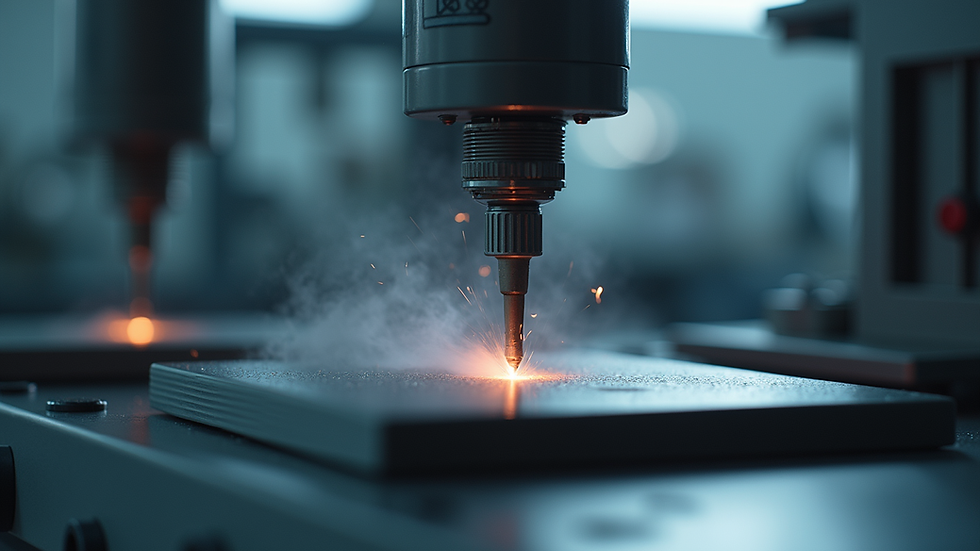
CNC Machines
Computer Numerical Control (CNC) machines are used for precision machining of metal parts. They allow for complex shapes and high accuracy.
Example: CNC milling machines are often used to create intricate components for aerospace applications.
Forging Hammers
Forging hammers are used to shape metals through compressive forces. This process can enhance the mechanical properties of the material.
Example: Forging is commonly used to produce high-strength components for heavy machinery.
Conclusion
The optimization of metallurgical processes is essential for achieving high-quality products and efficient production. By utilizing the right tools, metallurgists can analyze materials, test properties, and control processes effectively. From analytical instruments to fabrication tools, each category plays a crucial role in ensuring that metals meet the required standards and perform as expected.
As the industry continues to evolve, staying updated on the latest tools and technologies will be vital for professionals in metallurgy. Investing in the right equipment not only enhances process optimization but also contributes to overall success in the field. Whether you are a seasoned metallurgist or just starting, understanding and utilizing these essential tools will help you achieve your goals and drive innovation in your work.

Comments